COFFEE: ARABICA ORGANICALLY GROWN IN THE MOUNTAINS OF GUATEMALA Go to the ASO-Ixil website to learn more about organically grown coffee and the farmers who make your cup of coffee tas…
Source: There is A Better Future … Make Sure to Plant the Seeds
COFFEE: ARABICA ORGANICALLY GROWN IN THE MOUNTAINS OF GUATEMALA Go to the ASO-Ixil website to learn more about organically grown coffee and the farmers who make your cup of coffee tas…
Source: There is A Better Future … Make Sure to Plant the Seeds


Coffee Farmer Associates weigh 2016 crop of export grade Arabica coffee beans. Chajul, Guatemala

This coffee is healthy with no disease, and heavy production of Arabica coffee cherries is expected in November 2016 . Elevations of 6500 feet and organic soil produce the some of the best coffee in the world! Chel, Guatemala

Only 15% of the coffee berry actually ends up making your morning cup of coffee. After being hand picked and hand sorted, these ripe coffee berries go through a “pulpero” that removes the fleshy cherry from the inner bean.

Coffee beans of 2015 crop are prepared for “cupping”. Chajul, Guatemala

Chel Coffee Farmers to construct a commercial size worm farm that will provide organic fertilizer. Chel, Guatemala
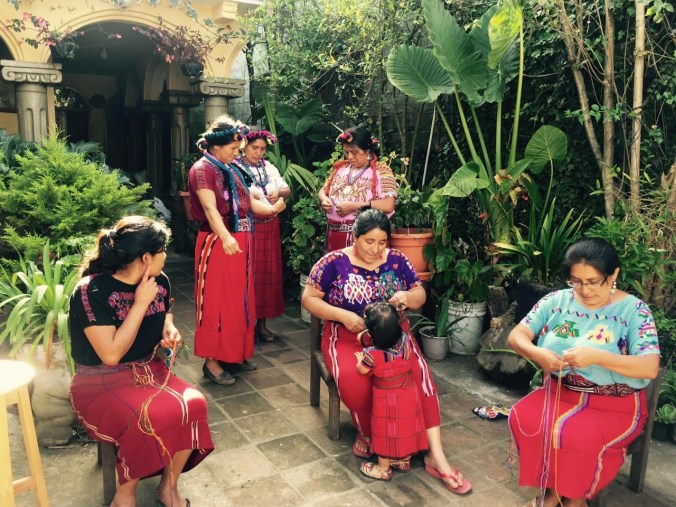
Maya Ixil women gather to weave bracelets. The beautifully designed blouses and skirts are woven on backstrap looms in patterns and symbols handed down through the generations. AME-Ixil The Women’s Entrepreneur non-profit Association, Chajul, Guatemala.
For information regarding Maya Ixil textiles and baskets please contact Manuel Laynez email: manuelaynez388@gmail.com


Bright Star Philanthropy Partners (BSPP) is a shared value community development initiative of Bright Star Grant Consultants. BSPP identifies and supports Central American indigenous leaders to realize solutions that they design and execute with BSPP collaborations, technical assistance, and grants. BSPP ignites peer grant maker, non-profit, and corporate actors to create shared value solutions in collective impact poverty alleviation.

Maya Ixil Youth program and Bright Star Philanthropy Partners sponsored tournament team. Program Director is MANUEL LAYNEZ.


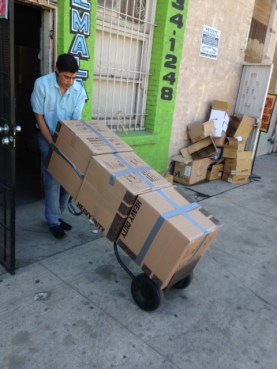
Thurston County uniforms and cleats delivered to the container ship office in Los Angles
Jerseys are the ticket to play.The Maya Ixil Youth Leadership Development Soccer/Futbol Program this fall includes youth from 168 families thanks to the generosity of the Thurston County soccer community who donated jerseys and cleats to Wembley’s Soccer Shop in Olympia, Washington, who added samples, and their own contributions
The program Director is MANUEL LAYNEZ
Soccer can change lives and transform communities for the better. Organized with leadership development at its core, soccer equips the young people with life and leadership skills to make a change in their communities. Many have faced a life of hardship, but have excelled in social responsibility and community engagement. Soccer can change lives and transform communities for the better.

Team Captains of /Wembley sponsored youth development teams
Leveraging the playing field: how soccer can promote leadership development.
New leaders are emerging with soccer as a catalyst for responsibility, leadership development and social change. Soccer is more than just a game and a multi-billion dollar industry, there is arguably no social phenomenon with the same power to inspire, unite and connect as soccer. As a global language, soccer can provide an incredibly effective and cost-efficient way to engage young people in communities with scarce resources.
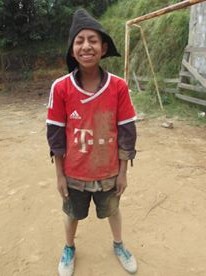
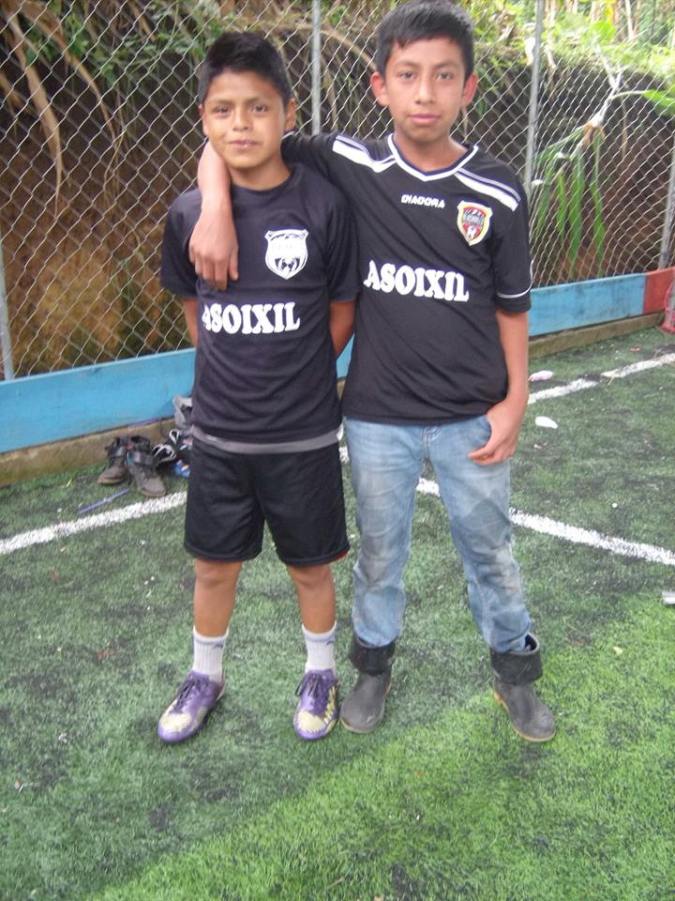
For the love of the game


Director: MANUEL LAYNEZ
Mission:
Participants:
Contacts:
COURAGE TO LIVE THE DREAM
“We are happy to achieve the goal but the truth is that it is a new experience and takes a lot of courage to be living this dream.” “We are Maya Ixil. Our home and community is Chajul, el Quiche, Guatemala. We are childhood friends who started planning for a farmers’ co-op when we were 8 years old.”
“We are now 34. Our dream was born in the year that we sat by the river bank, in a high mountain jungle, and started our planning with how to survive the armed conflict raging in our home town, and for a way to get enough food for children and old people. Our childhood dreams for the farmers’ association for Maya Ixil are now a reality.
In 2011 Manuel Laynez Anay, started the organizational work of forming a non-profit association for economic improvement, to eliminate malnutrition in the Ixil area of Guatemala, support well- being, and create job opportunities in the Maya Ixil region. They wanted to create opportunities that their parents did not have. As young people their parents were organized with a similar vision, but armed conflict prevented their achievement. They were afraid to follow their dream. They were forced from their lands where they had worked and harvested a variety of agricultural products by the fear of being beheaded, burned, hanged, shot or in every sense of the word, massacred. They fled to the jungle mountains to hide, all as a result of the internal armed conflict. One misfortune of all this is that there were many young orphans without schooling and no government support and nongovernmental organizations to support the people.
DREAMS OF MEMORIES

Laurie Levinger, retired social worker living and writing in Vermont, between her travels to Guatemala and Spain. Laurie’s website has information about her other books, videos, and on-line testimonies. Laurie’s website
Guerra inconclusa: La voz de los sobrevivientes (Unfinished War: The Voice of the Survivors) by Laurie Levinger is a book of testimonies published in Guatemala in September 2015 (in Spanish). The book is a collection of 30 verbatim testimonies from 2005–2013. Guatemalans from many different parts of the country, from different language groups and of different ages contributed their personal stories. The book is in Spanish and is available by emailing the publisher Editorial Maya Na’oj:Sr Daniel Much, mayanaoj@gmail.com In December 2015 books can be ordered by emailing laurie levinger: laurie@levinger.net
Bright Star Grant Consultants, Inc. serves a wide variety of clients on a global scale. For more information about our services and Bright Star Philanthropy Partner’s initiative in Central America, please contact us at: Janet @ brightstarconsultants.com


Photo by Laurie Levinger
Testimonies of Maya Survivors
http://www.levinger.net/laurie/writing/what-war/
“I remember when I was 8 years old. At that time my parents forbade me to leave the house,and nothing more than the dying could be heard. We did not know who had died”.
“When we heard the sound of gunfire near the village, my parents would not work in the field but we stayed in the house.”
“I even have a friend that can’t forget where his father died. We were around eight years old and the soldiers grabbed his father in an apple tree and burned him, still alive, in front of him.”
“It was terrible because my mom has told me that sometimes people were just thrown in the streets, with no head. There were people, already dead, but with no head, no arms, no legs. The war damaged my family because it was very hard and still today people don’t forget– at least I don’t forget– because the war marked me with that memory.”
“When I have children I will tell them how I lived. That is to help them understand that you have to appreciate yourself. But I won’t go into great depth because maybe, from my point of view, it would hurt them, maybe, their minds. But yes, I’d tell them what I went through and what happened: just like my mother told me, I also have to tell my children.”
“There is still a great deal of pain. They’re afraid, because of the war. Maybe it was because the village isn’t developed economically and intellectually because we couldn’t study, there weren’t schools then, there weren’t classes, the soldiers came and they burned the schools and the church.”
The Power of Speaking and Hearing Truth.
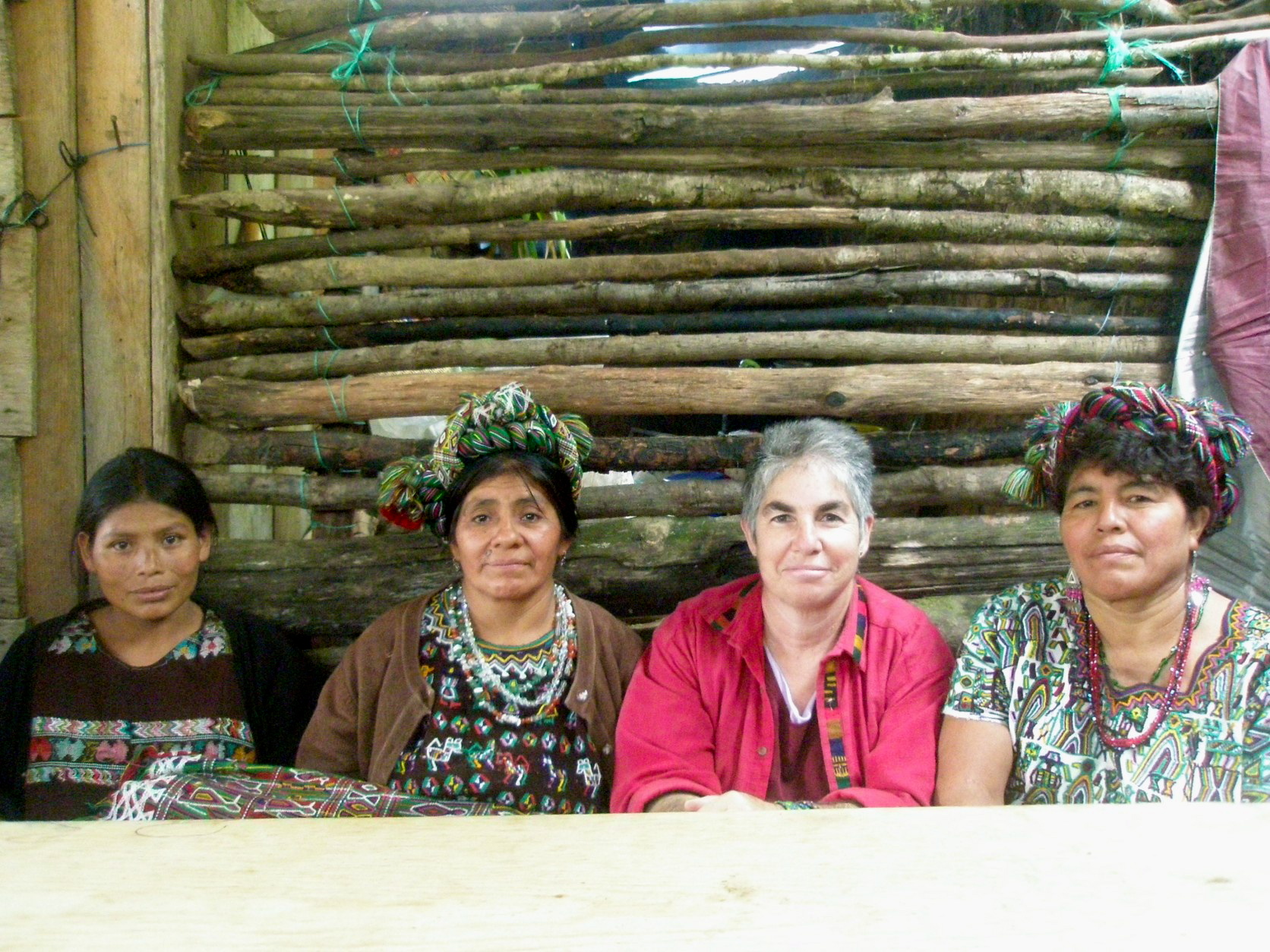
Laurie listens to women in Bisan, Guatemala give testimony
The experiences of Maya individuals, families and communities during the internal armed conflict have been repeated countless times in countries around the globe.The words and emotions shared in Laurie Levinger’s 2009 book, What War? Testimonies of Maya Survivors (Cual Guerra? Testimonios de sobrevivientes Mayas) could have been given by armed conflict survivors anywhere, anytime, in any war or conflict region.
 Bright Star Philanthropy Partners